
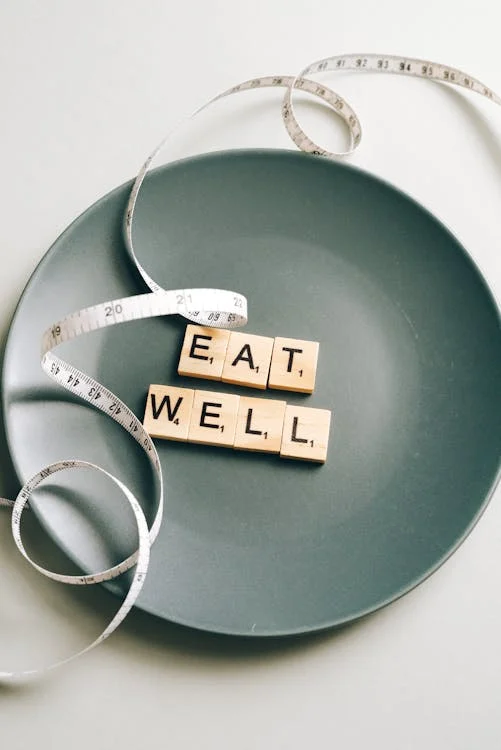
Weight loss can feel overwhelming with all the available advice, diets, and exercise plans. However, one essential strategy that is mostly neglected is portion control. It isn’t about restricting food groups or eliminating your favorite meals, but about eating in balanced quantities. Here you can understand the concept of controlling portion size, which helps with weight loss, and explore key strategies like tackling oversized portions, dining out mindfully, and eating small frequent meals instead of large meals.
Oversized Portions: A Hidden Obstacle to Weight Loss
Modern eating habits are plagued by portion distortion. The amount of food served in restaurants, packaged foods, and even at home has grown. Studies show that larger portions lead to more consumption, even when people aren’t hungry. When portions are too large, you eat more calories than your body needs, contributing to weight gain. Eventually, the accumulation of more adipose tissues thus making the body fat.
How to Manage Oversized Portions:
- Measure portions with measuring cups, plates, spoons or a food scale to get a sense of what an appropriate portion looks like.
- Use portion control tools like meal prep containers divided into sections for proteins, veggies, and carbs.
- Be mindful of your body’s hunger signals—learn to stop eating when satisfied, not stuffed.
- Eat foods high in fiber to get early satiety and less food intake.
Eating Out: Navigating Large Servings and Temptation
Restaurants often serve much larger portions than recommended, and you become out of calorie goals. Additionally, high-calorie dishes paired with generous servings of bread, drinks, and desserts can easily derail weight loss efforts.
Tips for Portion Control When Dining Out:
- Always start with the salad to get enough fiber
- Use small plates, spoon and glass for mindful eating.
- Split your meal with a friend or ask for half to be packed before you start eating.
- If possible ask for whole grain bread, add vegetables more, less oils, less cheese,
- Do not use mayonnaise or ketchups
- Add water to your drinks, or sweet beverages
- Avoid taking smoothies or milkshakes.
- Practice mindful eating: slow down, savor each bite, and focus on your hunger levels.
Portion Size Education: Know How Much to Eat
Many people aren’t aware of what a healthy portion size looks like. Educating yourself on appropriate portion sizes is critical to eating right.
For instance, a typical serving of rice or pasta should be about the size of a fist, but many people serve two or three times that amount.
How to Build Portion Awareness:
- Familiarize yourself with standard portion sizes using guides like the USDA or the MyPlate method.
- Use your hand as a quick reference: a palm-sized serving for protein, a fist for vegetables, and a thumb for fats.
- Pay attention to food labels to understand portion sizes and servings per container.
Practical Plate Strategies:
- Use 8-9 inch plates instead of larger ones to trick your brain into feeling full with less food.
- Avoid going for second servings—give your brain time to register fullness by waiting 10-15 minutes before deciding if you need more.
- Pay attention to glass sizes too—use smaller glasses for sugary drinks or juices and larger ones for water.
Conclusion
Portion control is a simple yet powerful approach to weight loss. Being cautious of excessive amounts, monitoring your intake while eating out, educating yourself on proper portion sizes, and using smaller plates will allow you to consume less calories without feeling deprived. The key is consistency—small changes over time will add up to sustainable results.
Embrace portion control, and you’ll find that it’s not just about eating less, but eating smarter for sustainable weight loss!